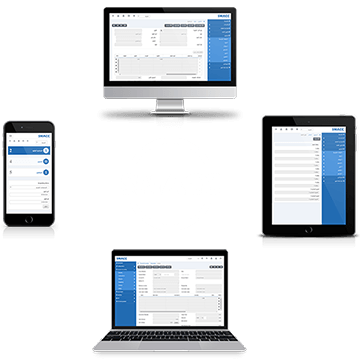
Organizations looking to enhance their decision-making processes should prioritize tailored packaged offerings that integrate advanced predictive algorithms. These technologies are designed to streamline operational efficiencies and maximize insights.
Utilizing robust reporting tools fosters a deeper understanding of organizational performance, allowing teams to generate impactful trend analysis. By leveraging insightful data visualizations, stakeholders can easily identify patterns and optimize future strategies.
Investing in a comprehensive solution that balances these elements can drive substantial advantages, ensuring that businesses remain competitive in a rapidly shifting market landscape.
Leveraging The Information Hub for Enhanced Data Accessibility
Utilize advanced reporting tools to streamline information dissemination. These resources provide intuitive dashboards that simplify insights, allowing decision-makers to easily interpret complex data sets. Effortless access to visual representations enhances overall understanding of various metrics.
Incorporate predictive algorithms for anticipating future trends. By analyzing historical patterns, organizations can make informed projections and strategize accordingly. This approach facilitates proactive adjustments, leading to improved business outcomes.
Trend analysis empowers users to spot anomalies and emerging patterns. Employing this technique can significantly enhance strategic planning and resource allocation. Real-time insights derived from analysis ensure that decisions align closely with current market dynamics.
Enhancing interaction with different data components through a user-friendly interface encourages collaboration. Teams can share findings seamlessly, promoting a culture of data-driven decision-making. This collective approach fosters innovation and drives competitive advantage.
Integrating these methodologies not only simplifies data access but also enriches the overall analytical experience. Clear, actionable insights derived from comprehensive exploration of datasets become a cornerstone for effective management practices.
Integrating Advanced Analytics into Business Operations
Seamless incorporation of reporting tools into everyday practices can significantly enhance operational efficiency. Utilizing packaged offerings that amalgamate various data components allows teams to execute trend analysis with minimal friction. These solutions streamline workflows and facilitate informed decision-making across departments, ultimately leading to better resource allocation.
Implementing a structured framework for data utilization empowers organizations to adapt swiftly to market changes. By harnessing insights gathered through sophisticated analytics, businesses can cultivate deeper customer understandings and refine their strategies accordingly. The importance of tools for real-time assessment cannot be overstated, as they create pathways for innovation and sustained competitiveness. For more insights, check out this resource: https://islandsfm.org/infrastructure/juniper-collapses-the-data-centre/.
Evaluating ROI: The Impact of OpenText’s Dual-Pillar Suite
Start by analyzing the packaged offerings that enhance productivity across diverse sectors. These solutions consolidate various functionalities, providing clients with the tools necessary for informed decision-making.
Trend analysis plays a pivotal role in assessing return on investment. By examining historical performance alongside predictive insights, organizations can gauge the effectiveness of implemented strategies.
Data components integrated into the suite facilitate seamless operations. Clients benefit from modular solutions, allowing for tailored configurations that align with specific business needs.
The suite’s reporting tools are designed to convert raw information into actionable insights. Users gain immediate access to metrics that reveal performance indicators and assist in resource allocation.
Utilization of this framework supports not just data management, but also strategic foresight. Employing these offerings guarantees that businesses can pivot quickly in response to market demands.
Stakeholders must also evaluate the scalability of these solutions. As businesses grow, adaptability becomes vital, ensuring that the tools employed can evolve alongside organizational changes.
A detailed assessment of both qualitative and quantitative metrics will underline the tangible benefits realized through these offerings, reflecting overall performance improvements and enhanced competitiveness.
Ensuring Data Security and Compliance in a Dual-Pillar Environment
Utilizing robust reporting tools is paramount for maintaining compliance and security within a multi-faceted system. These tools simplify the tracking of data flows and enable organizations to establish transparent auditing protocols.
Incorporating effective data components is essential. Opt for modular architectures that isolate sensitive information and integrate encryption techniques. This strategy not only protects data integrity but also facilitates flexible response mechanisms to potential breaches.
Integrating predictive algorithms enhances proactive measures against security threats. By analyzing historical data and recognizing patterns, organizations can anticipate vulnerabilities and deploy countermeasures before incidents occur.
Trend analysis plays a significant role in identifying anomalies that may indicate security lapses. Implementing regular assessments allows teams to compare current performance against established benchmarks, thereby fostering a culture of vigilance.
A successful compliance framework requires continuous monitoring and adaptation. Regular updates to policies and infrastructure help align organizational practices with the latest regulatory requirements, minimizing risks associated with non-compliance.
Q&A:
What distinguishes the Information Hub from Big Data Analytics in OpenText’s dual-pillar suite?
The Information Hub focuses on content management and delivery, providing users with access to organized data and documents, while Big Data Analytics emphasizes the analysis of large data sets to extract insights and patterns. Together, they offer a comprehensive solution for managing and analyzing information.
How can businesses benefit from using both the Information Hub and Big Data Analytics?
By utilizing both pillars, businesses can enhance their decision-making capabilities. The Information Hub allows for efficient information retrieval, while Big Data Analytics enables in-depth insights, leading to more informed strategic choices. This combination supports improved operational performance and customer engagement.
What types of industries can make the most out of OpenText’s dual-pillar suite?
Industries such as finance, healthcare, retail, and manufacturing can significantly benefit from OpenText’s offerings. These sectors often deal with vast amounts of data and require robust solutions for document management and analytics to comply with regulations, optimize operations, and improve customer interactions.
Can small businesses effectively utilize the Information Hub and Big Data Analytics?
Yes, small businesses can leverage these tools to enhance their data management strategies. While large organizations may have more extensive data needs, small businesses can still benefit by organizing their information better and gaining insights to drive growth and improve efficiency through informed decisions.
What are the key features of OpenText’s Information Hub and how do they enhance user experience?
Key features of the Information Hub include intuitive search capabilities, document indexing, and collaboration tools. These features simplify the process of finding and sharing information, thereby enhancing productivity. Users benefit from quick access to necessary documents and a streamlined workflow, making their tasks more manageable.