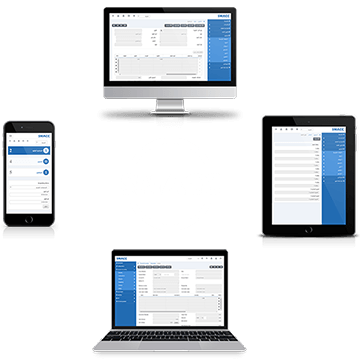
In the rapidly evolving landscape of online gambling, the shift toward mobile-first casino software has transformed how operators interact with players. With smartphones becoming the primary device for entertainment, casino platforms that prioritize mobile compatibility are experiencing unprecedented growth in user engagement and retention. This article explores the strategic aspects behind this trend, emphasizing how understanding user preferences, implementing responsive designs, integrating innovative features, leveraging data analytics, and ensuring security build a robust foundation for sustained player loyalty.
Table of Contents
Assessing User Preferences for Mobile Gaming Experiences
What motivates players to choose mobile platforms over desktop?
Research consistently shows that convenience and accessibility are primary drivers for players opting for mobile casino platforms. According to a 2022 survey by Statista, over 70% of online gamblers prefer mobile devices because they can play anytime and anywhere. Additionally, mobile platforms offer quick access to games during short breaks, making gaming more integrated into daily routines. For example, top casino operators like BetMGM and 888 Casino report that mobile revenue accounts for more than 80% of their total online earnings.
How do intuitive interfaces influence ongoing user engagement?
Intuitive user interfaces (UI) reduce cognitive load and facilitate easy navigation, leading to higher engagement levels. A study published in the Journal of Applied Psychology demonstrated that simple, clean designs increase user satisfaction and prolong session duration. For instance, mobile apps employing large touch targets, minimal clutter, and straightforward menu structures, like those used by Microgaming, report a 30% decrease in user drop-off rates. Clear visual cues and consistent design language help players quickly understand game mechanics, encouraging longer and more frequent play sessions.
What role does personalized content play in mobile casino apps?
Personalization enhances user experience by delivering tailored game suggestions, offers, and content that resonate with individual preferences. Data from PlayerOvation indicates that personalized promotions can increase retention by up to 25%. For example, a player who frequently enjoys slots with high jackpot payouts might receive targeted notifications about new similar games or exclusive bonuses, reinforcing their loyalty. Advanced algorithms process behavioral data to predict preferences, making the gaming experience feel uniquely curated for each user, thereby fostering a sense of connection and satisfaction.
Implementing Responsive Design for Seamless Play
How adaptive layouts improve usability across devices
Responsive design ensures that casino interfaces adapt dynamically to various screen sizes and orientations, providing a consistent and user-friendly experience. Techniques such as flexible grids, scalable images, and media queries allow games to automatically resize and reposition elements. For instance, Playtech’s responsive casino platform maintains full functionality and aesthetic appeal whether accessed via a smartphone, tablet, or desktop, minimizing user frustration and promoting longer engagement.
Best practices for optimizing load times and responsiveness
Fast load times are crucial to reduce bounce rates. Industry benchmarks recommend loading under three seconds for mobile pages. Compression of images, minification of code, and utilization of Content Delivery Networks (CDNs) are standard best practices. Additionally, incorporating lazy loading for non-critical assets ensures that essential content appears swiftly, improving responsiveness. According to Google’s Lighthouse tool, sites optimized with these techniques see a 40% improvement in performance scores, directly translating into higher retention rates.
Case studies of successful responsive casino software deployment
LeoVegas, a pioneer in mobile gaming, credits its responsive approach for achieving over 90% mobile traffic. Its implementation of adaptive UI resulted in a 35% increase in player sessions and a 20% boost in revenue within the first year. Another example is PokerStars, which redesigned its platform to focus on mobile responsiveness, leading to a notable decline in player complaints about usability issues and a marked increase in time spent on the platform.
Integrating Innovative Features to Increase Player Loyalty
What gamification strategies effectively boost retention?
Gamification elements such as achievement badges, leaderboards, and level progression motivate players by adding competitive and rewarding layers to gameplay. For instance, Mr Green uses missions and daily challenges that encourage daily logins and increased session times. Data suggests that gamification can enhance retention by as much as 50%. These strategies turn casual players into habitual users by tapping into psychological motivators like recognition and social comparison.
How in-app rewards and loyalty programs enhance user commitment
Implementing tiered loyalty programs that offer exclusive benefits—such as free spins, cashback, or VIP access—fosters a sense of progression and exclusivity. For example, Bet365’s loyalty scheme provides personalized rewards based on player activity, which has been shown to double the frequency of deposits. Clear incentives motivate players to return frequently, thus increasing lifetime value.
Utilizing push notifications for real-time engagement
“Timely and personalized push notifications are proven to re-engage dormant players and inform active players about new offers or games, significantly boosting daily active users.”
Effective push strategies utilize behavioral data to send relevant alerts, such as a reminder about a personalized bonus or a new game release based on past preferences. Companies like Betway report a 15% uplift in engagement metrics attributable to well-timed notifications.
Leveraging Data Analytics to Personalize Player Experiences
How behavioral data informs tailored game recommendations
Data analytics enables operators to track real-time gameplay patterns—time spent on specific game types, betting amounts, session frequency—and use this information to suggest similar or complementary titles. For example, if a player frequently plays blackjack, the system might recommend new variants or similar table games. This personalization has led to a 20-30% increase in session durations, according to reports from leading analytics providers like www.spin-sahara.com.
Measuring player interaction to refine engagement tactics
Tracking metrics such as click-through rates, session length, and conversion rates helps casinos identify which features or offers resonate most. Regular analysis guides adjustments in UI elements, marketing strategies, and game selection to optimize retention. For example, casinos that use heatmaps and A/B testing to refine interface layouts have observed engagement improvements of up to 25%.
Predictive analytics for proactive retention strategies
Predictive models analyze historical data to identify at-risk players and target them with retention campaigns before they churn. Companies like William Hill employ machine learning algorithms to forecast player lifetime value, allowing the platform to proactively offer personalized promotions. Such approaches have resulted in a 15-20% reduction in player attrition rates and higher overall profitability.
Ensuring Security and Fair Play to Foster Trust
Best practices for protecting player data on mobile platforms
Encryption protocols such as SSL/TLS, multi-factor authentication, and regular security audits are standard to safeguard sensitive information. Additionally, compliance with standards like GDPR and PCI DSS reassures players that their data is protected. For example, Microgaming’s security framework incorporates end-to-end encryption and real-time monitoring, which builds confidence among users and encourages ongoing play.
How transparent algorithms influence player confidence
Transparent and provably fair algorithms, such as cryptographic hash functions used in blockchain-based games, reinforce trust. Transparency reports, public third-party audits, and clear explanation of game mechanics help players understand that outcomes are impartial. For instance, Casino.com publicly shares its RNG certification results, which increases player confidence and loyalty.
Implementing secure payment solutions to encourage deposits
Offering multiple secure payment options—such as e-wallets, bank transfers, and cryptocurrencies—along with fraud detection systems boosts player confidence in making deposits. Moreover, instant deposit confirmation and transparent withdrawal processes reduce abandonment. Data from Paysafe indicates that secure payment integrations double the likelihood of completing a transaction, directly impacting retention by facilitating continuous gameplay.