“It is also important to minimize the amount of processed foods during the week.” “I encourage thinking of it more as a lifestyle,” recommends Lea Obeid, a dietitian at Houston Methodist. Developed by Dr. Alice Ammerman, Dr. Thomas Keyserling, Samuel-Hodge and other colleagues, the Med-South diet melds Mediterranean eating patterns with traditional dishes from the Southeastern United States. Think healthier hush puppies, entrees that are baked or cooked on a stovetop instead of deep-fried, and vegetables cooked in olive oil rather than lard. Emily Lachtrupp is a registered dietitian experienced in nutritional counseling, recipe analysis and meal plans.
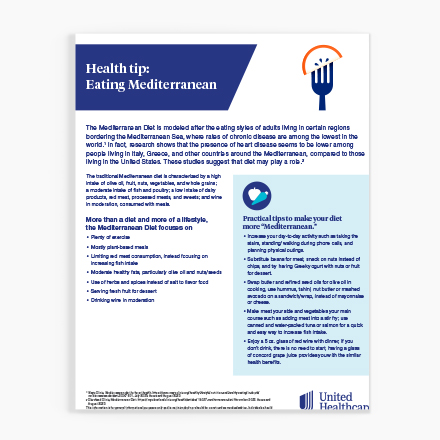
The Mediterranean diet has received much attention as a healthy way to eat, and with good reason. The Mediterranean diet has been shown to reduce risk of heart disease, metabolic syndrome, diabetes, certain cancers, depression, and in older adults, a decreased risk of frailty, along with better mental and physical function. Whether you’re new to cooking, just starting your journey to healthier eating or looking to simplify your routine, this Mediterranean meal plan for beginners can help. No foods are completely off limits when following a Mediterranean eating pattern, but the diet doesn’t include processed food — which is why Obeid recommends minimizing their frequency.
What are the benefits of the Mediterranean diet?
- The Mediterranean diet is one of the most flexible and approachable eating patterns, making it a great fit for a wide range of people.
- If you’re looking for a way to eat that’s sustainable over the long term rather than a short-term fad, this diet can work well for you.
- The carnivore diet is mostly animal-based (meats, fish, eggs) with zero or near-zero plants, which contrasts with Mediterranean eating, which is plant-forward.
- There are many ways to incorporate the delicious foods of the Mediterranean diet into your daily menu.
- Meals are often enjoyed slowly with family or friends, which can help lower stress.
- Learn more about A.D.A.M.’s editorial policy, editorial process, and privacy policy.
By focusing on small, sustainable steps, you’ll find it easier to build habits you can stick with long term. One of the best things about the Mediterranean diet is that it emphasizes all the foods you can enjoy, rather than dwelling on restrictions. By focusing on fresh, flavorful and nutrient-rich ingredients, this diet makes it easy to build satisfying meals that support your health. The Mediterranean diet is a way of eating that draws inspiration from the everyday meals and cooking traditions of countries along the Mediterranean Sea, like Greece, Italy and Spain, where fresh, simple ingredients take center stage. The Med-South diet can serve as a model for combining healthier eating habits with local foods and flavor profiles, no matter where you live.
What foods are not allowed on the Mediterranean diet?
Studies show that committing to habits will change how you see yourself, which is more potent than focusing on a goal. So rather than just saying you want to “eat healthier” or “lose weight,” try reframing what kind of an eater you are. Telling yourself and others that you eat plant-based, Mediterranean-style foods rather than saying you’re on a diet is an effective way to stay on track. Healthy fats, such as those from olive oil, nuts and fatty fish (like salmon), improve your cholesterol profile by raising the “good” HDL cholesterol while lowering “bad” LDL cholesterol and triglycerides. This combination of fiber and healthy fats also promotes fullness, so you’re less likely to overeat or snack on processed foods. The Mediterranean diet has been linked to health benefits including longevity, improved heart health and reduced risk of chronic conditions.
How to Follow the Diet

You can also enjoy a variety of flavorful foods, including fresh seafood, whole grains, nuts, legumes, and healthy fats like olive oil and avocado. And you don’t have to sacrifice taste for health benefits because the Mediterranean diet is full of delicious, satisfying flavors. The Mediterranean diet is widely recognized as a heart-healthy way of eating, and for good reason. Research shows that people who follow Mediterranean-style eating patterns have a lower risk of heart attack, stroke and other cardiovascular problems. If you’re looking to eat hellopeter.com/unimeal healthier but aren’t sure where to start, this beginner-friendly Mediterranean diet meal plan is a great choice.
A practical guide to the Mediterranean diet
In addition, in an evidence-based analysis of 10 popular eating patterns, the American Heart Association gave the Mediterranean diet some of its highest marks. Only the DASH (Dietary Approaches to Stop Hypertension) diet received a better score. That said, some people may need to adjust the plan to meet specific medical needs. If you have kidney disease, gastrointestinal conditions, severe food allergies or are on a specialized diet, it’s important to work with your healthcare team or a dietitian to make modifications safely. Use this as inspiration and feel free to mix and match based on your tastes, schedules and dietary needs. Shifting to a Mediterranean style of eating doesn’t mean overhauling your pantry overnight.
Who can benefit from the Mediterranean diet?
Plant-based foods like vegetables, fruits, legumes and whole grains are rich in fiber, antioxidants and important vitamins that help regulate digestion, stabilize blood sugar and protect your cells from damage. “It allows the patient or the client to see that within health care you can have more than one encounter with somebody who actually cares whether you made the planned behavior changes and helps reviews of unimeal you to reach your goals. “You don’t have to change your diet overnight. Begin by trying the Mediterranean lifestyle principles that sound most achievable for you and go from there.”
What Challenges Does Following the Mediterranean Diet Present?
She’s worked with clients who struggle with diabetes, weight loss, digestive issues and more. In her spare time, you can find her enjoying all that Vermont has to offer with her family and her dog, Winston. The Mediterranean diet is one of the most flexible and approachable eating patterns, making it a great fit for a wide range of people. If you’re looking for a way to eat that’s sustainable over the long term rather than a short-term fad, this diet can work well for you. Over three to five days, you can rotate more fish, chicken, beans or vegetarian dinner options.
Samuel-Hodge said it is most helpful for those who follow the Med-South program to focus on adding variety to what they already eat rather than eliminating foods. “The benefit to [these populations] of modest weight loss and adopting a Mediterranean dietary pattern is really great,” Samuel-Hodge said. Unlike the trendy diets that gain popularity as ways to quickly lose weight, the Mediterranean diet offers advantages beyond weight loss. Fad diets may fade away, but Mediterranean-style eating has delighted cooks and eaters for centuries while impressing health researchers for decades.
How to eat healthy during the holidays: 9 tips to help you savor the season
These are some of the most common chronic health conditions affecting Americans. Many parts of the Mediterranean are considered to be the world’s Blue Zones, where people live longer, healthier lives because of their approach to food. Counselors working with patients on implementing the Med-South program begin by asking what patients want to change and how they feel most comfortable starting.
Adopting a Mediterranean eating pattern can sound overwhelming, especially if your busy lifestyle makes it hard to prepare fresh food. It can also sound challenging because we’re not as familiar with the types of food and different recipes offered in a Mediterranean lifestyle. Maybe it’s a colorful salad, a drizzle of olive oil or a fish-based dinner this week. Over time, your new normal could lead to better energy, improved lab results and a more vibrant life. Many anti-inflammatory diets emphasize foods with antioxidant or phytochemical power (similar to the Mediterranean diet). In fact, Mediterranean-style eating can be an anti-inflammatory diet in practice.
Heart-Healthy Hush Puppies
Each meal plan meets specific parameters depending on the health condition and/or lifestyle goal it is targeting and is analyzed for accuracy using the nutrition database, ESHA Food Processor. As nutritional needs differ from person to person, we encourage you to use these plans as inspiration and adjust as you see fit. Beyond the food itself, lifestyle habits tied to this diet also make a difference. Meals are often enjoyed slowly with family or friends, which can help lower stress. By making this way of eating a regular part of your routine, you’re investing in long-term cardiovascular health in a practical, sustainable and delicious way.
For Medical Professionals
Taken together, these eating habits create a supportive environment for your heart, metabolism and overall wellness, making it easier to maintain healthy weight, reduce chronic disease risk and feel more energized in daily life. “Be mindful of how much processed food you are eating during the week,” says Obeid. Obeid adds that the Mediterranean lifestyle promotes eating fruits and nuts as snacks and to satisfy your sweet tooth, as well as including non-starchy vegetables with your meals every single day. “This lifestyle encourages diversifying your protein intake by including more plant-based protein, fish and shellfish, white cheeses, skinless chicken and limiting the amount of red meat,” says Obeid.